

There has never been more sport, watched by more people, in more places, than there is today. Reach, by almost any measure, is at an all-time high. And yet most of the organisations that own that reach could not tell you who is behind it.
This is the identity gap. It is the quiet, structural problem sitting underneath modern sport, and it is more expensive than most boards realise. Every fan a property cannot name is a relationship it cannot deepen, a sponsorship it cannot prove, and a renewal it cannot earn. Not lost reach. Lost relationships. The fans are there. The organisation simply cannot name them.
How did the fullest stadiums in history become the most anonymous?
The answer is that sport spent two decades building its audience on land it does not own. Social platforms delivered extraordinary scale, and in return they kept the one thing that mattered: the identity of the fan. The club gets the impression. The platform keeps the person. Every time the club wants to reach those fans again, it pays the platform for the privilege. That is not an audience. It is a tenancy, renewed quarterly, on terms the tenant does not set.

Meanwhile the data the industry did collect was thin. A ticket scan tells you a seat was occupied, not who sat in it or whether they will ever come back. A form tells you what someone was willing to type to claim an offer. A cookie followed a browser around the internet without ever knowing the human using it. Each of these is a proxy for a relationship that nobody actually built.
The instinct, when you notice the gap, is to try to close it by buying more reach. More followers, more views, more impressions. This does not work, because reach was never the missing piece. The missing piece is knowing. You can have a hundred million anonymous followers and still not be able to send a single one of them a message you own.
So how do you close it?
Not by extracting harder. The more aggressively you instrument a touchpoint, the more the fan feels mined, and the less they give you. The organisations making real progress have inverted the logic. They start with the moment the fan already cares about most: the winning goal, the final lap, the encore, the trophy lift. They give the fan something genuinely worth having in that moment. And the identity, the consent and the intelligence arrive as the natural by-product of a relationship the fan chose to enter, rather than data prised out of one they did not.
The difference in outcomes is not marginal. When the first thing you ask a fan to do is express something rather than surrender something, participation runs many times higher than any form-based approach achieves. We see participation many multiples above traditional collection, consistently, across very different properties and very different sports. The mechanism is not a clever growth hack. It is simply what happens when you stop treating the fan as a source and start treating them as a participant.
There is a reason this matters now and not just in principle. The race to own the fan has visibly begun. In several markets, leagues and franchises are reporting first-party fan bases in the millions, built deliberately inside environments they control. The framing in those announcements is always the same: the data belongs to the property, and so does the commercial advantage. The organisations that build this asset early will compound it. The ones that wait will find the gap between them and their peers widening every season.
The identity gap will not be closed by the next platform deal or the next viral campaign. Those add reach, and reach is the part sport already has. It will be closed by the unglamorous, durable work of turning anonymous passion into known relationships, one real moment at a time, on ground the organisation actually owns.
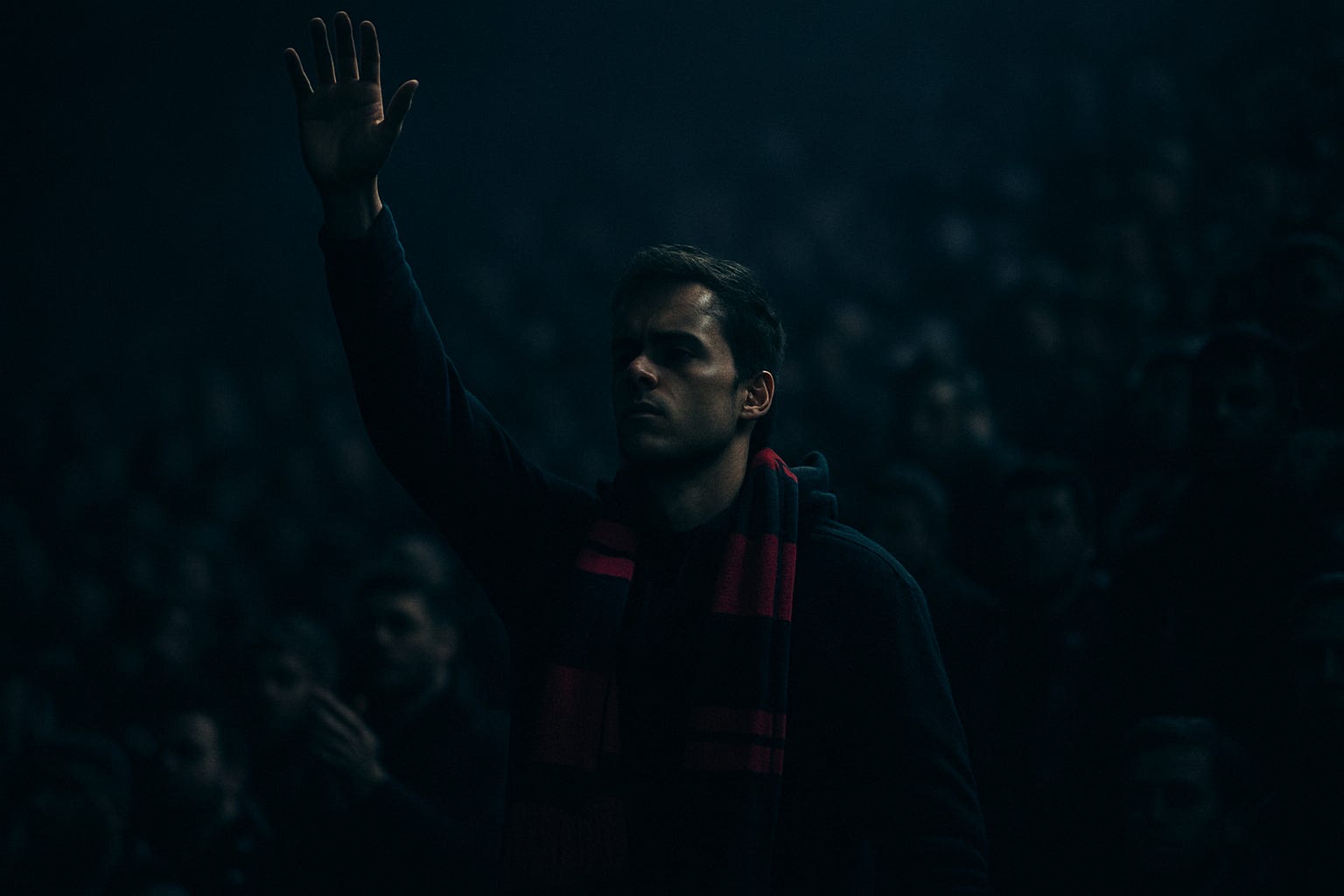
The fullest stadiums in history do not have to be the most anonymous. But closing that gap is a choice, and it starts with a simple shift in posture. Stop asking how to reach more strangers. Start asking how to know the people already in the room.
Most organisations still know the ticket. The opportunity, and it is a large one, is to finally know the person.